
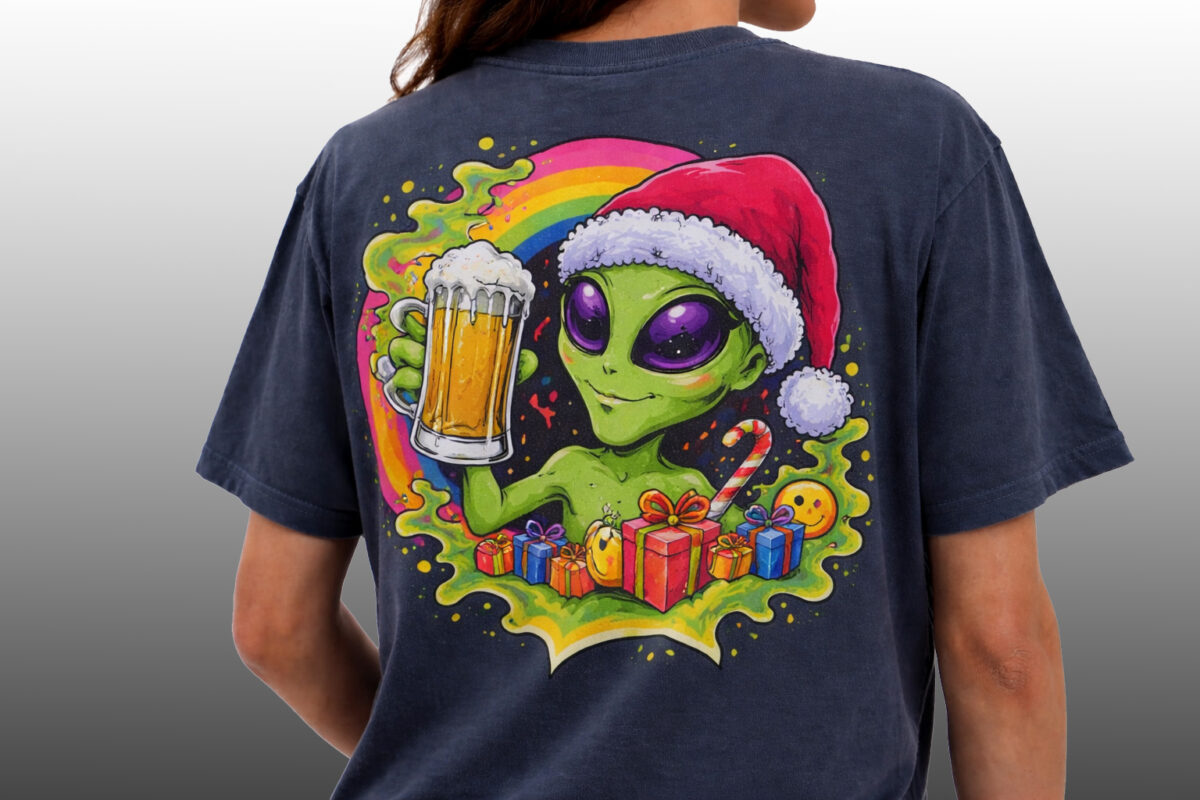
Exploring Direct to Film (DTF) Transfers
Direct to Film (DTF) transfers are changing the game in custom apparel. They deliver bold color, crisp detail, and long-lasting prints on a wide range of fabrics—without the limitations of some traditional methods.
What Are DTF Transfers?
DTF stands for Direct to Film, a modern heat transfer process that prints your artwork onto a specially coated PET film instead of printing directly on the garment. After printing, an adhesive powder is applied to the ink and cured. The transfer is then heat pressed onto fabric, creating a vibrant, durable print with a smooth, professional finish.
This workflow makes DTF an excellent option for custom t-shirts, hoodies, tote bags, uniforms, and more—especially when you want consistency across different materials and garment colors.
Why DTF Often Beats DTG and Vinyl
Direct to Garment (DTG) printing and vinyl heat transfers are popular, but DTF stands out for its flexibility, efficiency, and print performance. Here’s why many brands and print shops are moving to DTF transfers.
1) Works on More Fabrics
One of the biggest advantages of DTF is compatibility. DTF transfers can adhere to a wide range of materials like cotton, polyester, blends, and many other textiles. DTG typically performs best on cotton and often requires extra steps or compromises when used on other fabric types.
2) Strong Color and Sharp Detail
DTF transfers are known for vivid color and clean detail, even on darker garments. Where some processes can lose brightness or struggle on certain colors and textures, DTF is designed to stay consistent across a variety of garment surfaces.
3) Durable Prints with a Comfortable Feel
When applied correctly, DTF prints hold up extremely well. They’re built to handle repeated washing without the cracking, peeling, or premature fading people often associate with lower-quality transfers. They also tend to feel more flexible and breathable than traditional vinyl, which can sometimes feel thick or plastic-like.
4) Efficient for One-Offs and Bulk Orders
DTF is a smart choice whether you need one shirt or hundreds. Unlike DTG, DTF typically avoids time-consuming pre-treatment steps, which helps speed up production and reduce labor. That makes it a reliable, scalable option for both small custom jobs and larger runs.
5) A More Eco-Conscious Option
Many print shops consider DTF a more efficient process with less waste compared to some traditional methods. While every shop’s workflow is different, DTF can reduce certain resource-heavy steps and supports the growing demand for more responsible production practices.
The Future of Custom Apparel Printing
DTF transfers are quickly becoming a go-to solution for high-quality custom printing because they combine versatility, durability, and professional results in one workflow. As printers, films, and powders continue to improve, DTF is poised to remain a major force in the apparel and textile industry for years to come.
If you’re looking for a print method that keeps colors bold, details crisp, and production efficient across many garment types, DTF transfers are one of the strongest options available today.